


November #2: First Responder Stress, IMWCA Resources, Workplace Ergonomics
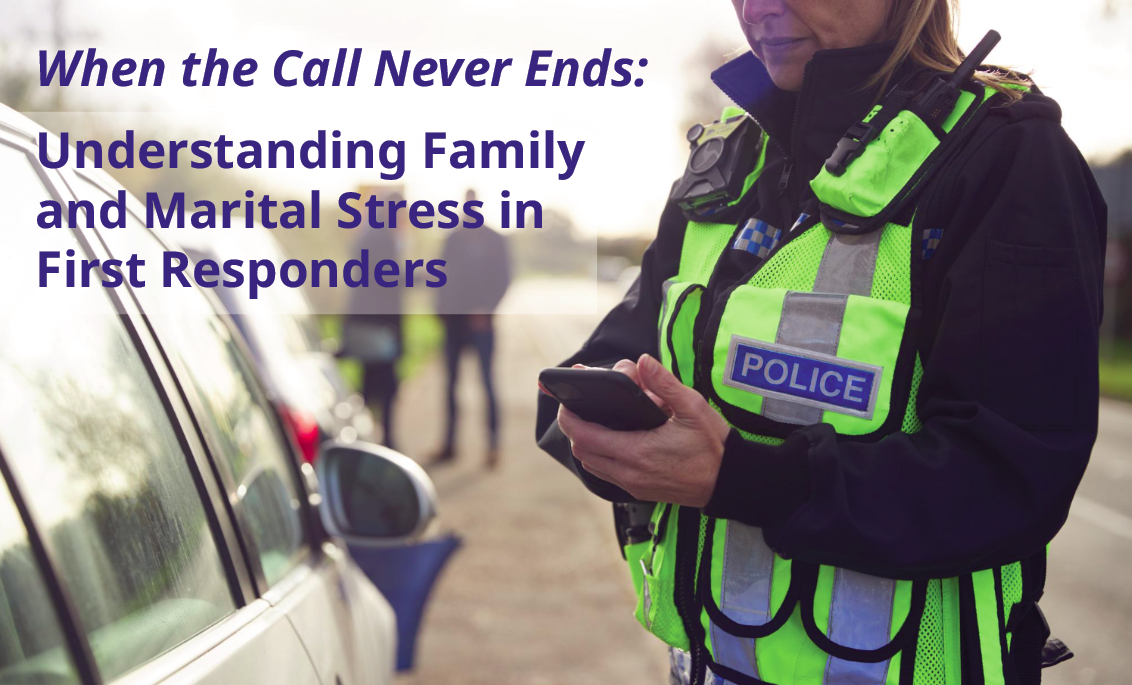
First responders are often praised for their courage, resilience, and commitment to serving others during moments of crisis. Police officers, firefighters, paramedics, EMTs, and dispatchers routinely encounter situations that most people will never experience. While the public often focuses on the demands of the job itself, the impact on marriages and families is equally important and frequently overlooked.
The IMWCA recognizes this, which is why they offer the First Responder Assistance Program (FRAP) through Connections EAP. This is a FREE and CONFIDENTIAL service for over 12,000 first responders and THEIR FAMILIES in Iowa.
Through this benefit, first responders, their spouses, and dependents can access in-person or virtual services with licensed clinicians experienced in working with first responders.
Research consistently shows that first responders face elevated levels of stress and mental health challenges. According to the Substance Abuse and Mental Health Services Administration (SAMHSA), approximately 30% of first responders develop behavioral health conditions such as depression, anxiety, or post-traumatic stress disorder (PTSD), compared to about 20% of the general population. These challenges do not remain at work. They often follow responders home, affecting communication, emotional availability, parenting, and marital satisfaction.
One of the most significant stressors for first responder families is repeated exposure to trauma. Whether responding to fatal accidents, violent crimes, child abuse cases, or large-scale disasters, first responders are regularly confronted with human suffering. Over time, these experiences can change how they view the world and interact with loved ones. Many responders develop coping habits that are useful on the job, such as emotional detachment or suppressing feelings, but these same strategies can create distance in personal relationships.
The profession’s demanding schedules present another challenge. Shift work, overnight assignments, mandatory overtime, and holiday duty can strain family routines and limit quality time together. Spouses often take on greater household and childcare responsibilities, which can lead to frustration, fatigue, and feelings of isolation. Family milestones, school events, and holidays are frequently missed because emergency services operate around the clock.
Research also shows that the effects of first responder stress extend beyond the individual responder. A systematic review published in PLOS ONE found that work-related stress frequently “spills over” into family life, negatively affecting spouses, partners, and children. The review identified concerns including relationship difficulties, family stress, communication problems, and reduced emotional well-being among family members. In some cases, spouses may experience secondary traumatic stress as they absorb the emotional effects of what their loved one encounters on the job.
Despite these challenges, many first responder families demonstrate remarkable resilience. Strong communication, supportive peer networks, healthy coping strategies, and organizational support can significantly improve outcomes. Increasingly, agencies are recognizing that wellness programs should include spouses and family members rather than focusing solely on the employee. Education about stress, mental health resources, relationship skills, and family support programs can help families navigate the unique realities of public safety careers.
Supporting first responders means supporting the people who stand behind them as well. Healthy marriages and strong family relationships are not simply personal matters; they are critical components of a responder’s overall well-being and effectiveness.
Resources Available to Members of the IMWCA
If your department is a member of the IMWCA, you are automatically eligible for FRAP benefits.
First responders include employees and volunteers who are law enforcement officers, firefighters, ambulance personnel, 911 dispatchers, correctional officers, emergency management and members of search and rescue teams.
To access this resource, simply contact Connections EAP at 800-779-6125 or email info@connectionseap.com and let them know you are a member of the IMWCA. They will then connect you with resources in your area.
Sources: [samhsa.gov], [sprc.org] [journals.plos.org] [journals.plos.org], [venturafir…dation.org]
Resources to Help Build a Strong Safety Culture

At IMWCA, we want to help our members build strong safety cultures and provide the tools and resources they need to succeed. Whether you’re looking for a model safety program, training resources for your team, help planning monthly safety meetings or information about the claims process, we’ve got you covered!
Explore the resources below, and reach out to your Safety and Risk Improvement Adviser with questions or for additional assistance.
Happy Holidays From Our Staff to Yours
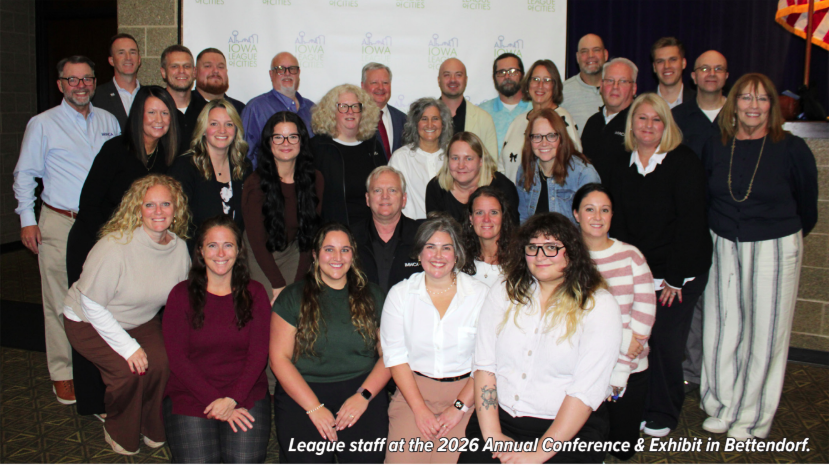
IMWCA will be closed November 26-27 and December 24-25
as our staff take time to celebrate the holidays with their families.
We wish you and your staff a safe, happy and healthy holiday season!

Register Now: Supervisor Training
Handling employee performance and conduct issues can be daunting, uncomfortable, and confusing. IMWCA’s Supervisor Training Course provides new and experienced supervisors with tools and tips for managing inadequate performance and misconduct early on, when correction is easier.
December 3 – Carroll

Importance of Workplace Ergonomics
Workplace ergonomics plays an important role in protecting our health, reducing physical strain and preventing injuries. Whether you’re working at a desk, lifting equipment or driving a facility vehicle, making small adjustments to your workspace and daily routines can make a big difference.
Good ergonomics starts with being aware of how your body moves and making sure your work environment supports it. This includes maintaining proper posture, adjusting workstations to fit your needs, keeping frequently used tools within easy reach and using safe lifting techniques.
It’s also important to avoid staying in the same position for too long. Take regular breaks to stand, stretch and move throughout the day. If a task or workstation causes discomfort, don’t ignore it. Make adjustments before minor aches and pains turn into more serious injuries.
Building healthy habits and making simple changes can help reduce the risk of repetitive strain injuries, improve comfort and support a safer, healthier workplace. A few small adjustments today can make a big difference in your long-term well-being.
We look forward to seeing you at the 2026 ISSDA Winter School,
December 1-4 in Des Moines. Be sure to stop by and say hello!

