


May #2: Mental Health Resources, Hi-Vis Safety & Volunteer Coverage
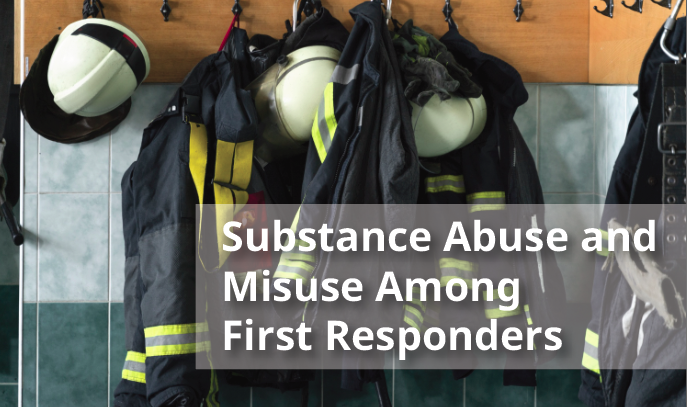
First responders — police officers, firefighters, paramedics, dispatchers, and EMTs — serve on the front lines of crises, consistently encountering trauma, high-pressure decisions, injury risk, and emotional burden. These occupational hazards place them at elevated risk for substance misuse compared to the general U.S. population.
Multiple studies show substantially higher rates of alcohol and drug misuse among first responders.
- Approximately 30% of first responders report problematic alcohol use, compared to 10–15% of the general population.
- Drug misuse shows a similar pattern: about 20% of first responders have engaged in inappropriate prescription drug use or illicit drug use, compared with 8–10% in the general population.
Connection to Mental Health and Trauma Exposure
Substance misuse in first responders is closely linked to mental health challenges. Studies indicate that around 40% of first responders with substance abuse issues also report symptoms of PTSD. Because first responders frequently encounter critical incidents — including violence, death, disaster scenes, and severe injuries — many turn to alcohol or drugs as coping mechanisms for emotional distress, hyperarousal, or intrusive memories. During the COVID‑19 pandemic, nearly 40% of first responders reported using substances to cope with emotional distress, and 22% used more than they intended.
Barriers to Seeking Assistance
Despite elevated risk, first responders often face unique barriers to seeking help:
- Stigma and cultural expectations contribute to underreporting of mental health and substance use issues.
- Fear of professional consequences: Concerns about job loss, reassignment, or loss of confidentiality discourage help‑seeking.
- Limited access or time: Shift work, mandatory overtime, and rural service areas may reduce accessibility to treatment resources.
- Hypervigilance and identity: First responders are trained to remain strong in crisis, making vulnerability feel incompatible with professional identity.
Self‑Help and Support Resources
Several resources can support first responders struggling with substance misuse:
- SAMHSA Treatment Locator (1‑800‑662‑HELP): Provides confidential access to treatment nationwide. [nida.nih.gov]
- Peer support programs: Many departments offer peer-led initiatives that reduce stigma and increase trust. [peersupportfoundation.org]
- Employee Assistance Programs (EAPs): Confidential mental health and substance use counseling through employers. [connectionseap.com]
- Specialized SUD treatment programs: Some rehabilitation centers offer tailored programs for first responders’ unique trauma exposure. [First Responders Rehab & Trauma Treatment Center] [Addiction & PTSD Treatment & Recovery Centers]
- Self-help methods: Mindfulness practices, structured physical fitness, trauma-informed therapy, and support groups like AA/NA can complement professional treatment. [aa-iowa.org/meetings]
Members of the IMWCA
The First Responder Assistance Program is a FREE and CONFIDENTIAL resource for over 12,000 first responders in Iowa, in addition to their spouses and dependents whose departments/agencies are members of the IMWCA. If your department is a member of the IMWCA, you are automatically eligible for this benefit.
First responders include employees and volunteers who are law enforcement officers, firefighters, ambulance personnel, 911 dispatchers, correctional officers, emergency management and members of search and rescue teams.
First responders are vital to public safety and addressing this issue requires reducing stigma, improving access to care, and fostering a culture that supports mental health as rigorously as physical readiness.
To access this resource simply contact Connections EAP at 800-779-6125 or email info@connectionseap.com and let them know you are a member of the IMWCA. They will then connect you with a provider in your area.
Sources: [serveprotect.org] [samhsa.com] [sph.uth.edu]
Volunteer Emergency Responders and
Workers’ Compensation Coverage
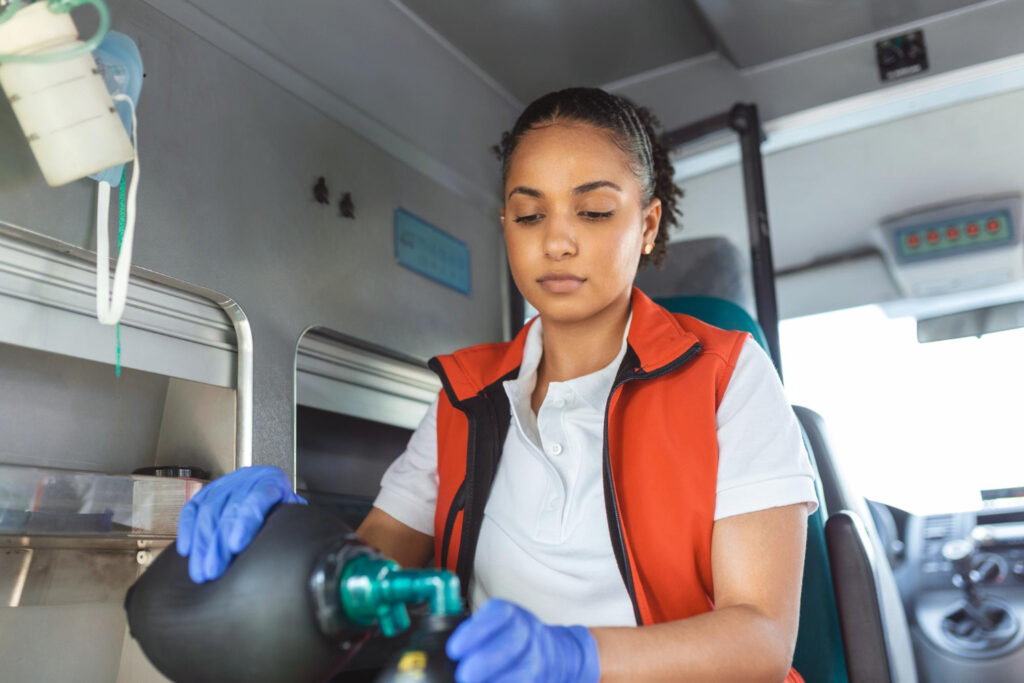
At the IMWCA, we are often asked when workers’ compensation coverage begins for volunteer firefighters, reserve peace officers and emergency medical services (EMS) volunteers when responding to an emergency. Because these volunteers are not working designated shifts, but instead remain “on call” to respond as needed, coverage begins when they are summoned for duty.
This means that once an emergency responder — including paid on-call staff — is called, paged, or otherwise notified to respond in their official capacity, workers’ compensation coverage begins immediately. This includes travel time to the station or directly to the incident scene.
Coverage continues throughout the response and remains in effect until the responder is officially released from duty related to that incident.
For more information on this issue, please contact your Safety and Risk Improvement Advisor.
Upcoming IMWCA Trainings

Supervisor Training
Multiple Dates and Locations
Handling employee performance and conduct issues can be daunting, uncomfortable, and confusing. IMWCA’s Supervisor Training Course provides new and experienced supervisors with tools and tips for managing inadequate performance and misconduct early on, when correction is easier.

Virtual Round Table
August 11 – Seasonal Employees: Best Practices for Onboarding and Offboarding
Gain valuable knowledge and real-world solutions for handling workers’ compensation issues in our quarterly virtual round tables. Each session kicks off at 9:30 a.m. with a 15-20 minute presentation, followed by an open discussion where you can ask questions and exchange ideas.
Is Your High-Visibility Gear Still Effective?
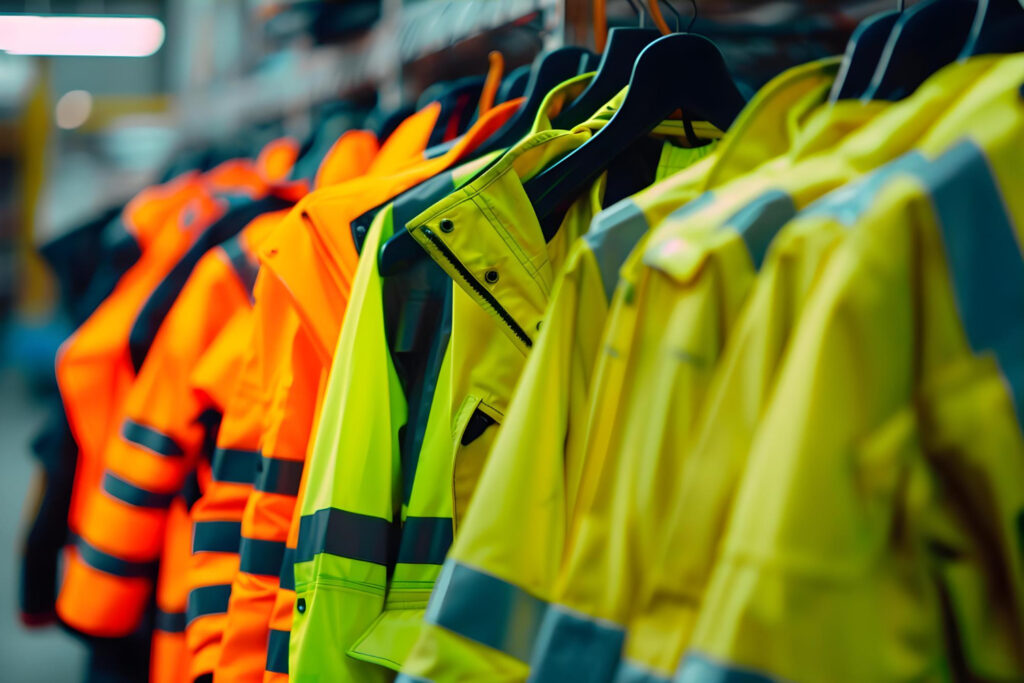
Road work and mowing along the right-of-way are in full swing now. As employees undertake these tasks, making sure they are visible to traffic is highly important. Using the correct high-visibility (hi-vis) clothing and other PPE is essential to working safely. However, in order for hi-vis clothing to be effective, it needs to be maintained and regularly replaced when it shows signs of wear and fading. Many manufacturers recommend replacing hi-vis clothing every 6-12 months, depending on usage and exposure.
Here are some key OSHA & ANSI/ISEA Replacement Criteria:
You should immediately retire and replace your hi-vis apparel if you notice any of the following:
- Fading or Discoloration: The fluorescent background fabric has dulled or lost its vivid color, reducing daytime visibility.
- Damaged Reflective Tape: The retro-reflective strips are cracked, peeling, missing, or have lost their brightness.
- Structural Damage: The garment has rips, tears, frays, or broken closures that compromise its integrity or fit.
- Heavy Soiling: The clothing is permanently stained, dirty, or caked with mud/grease and cannot be effectively cleaned to restore its visibility.
- Reduced Visibility Range: The garment is no longer visible and identifiable from a safe distance (typically
How to Test Your Gear:
If you aren’t sure whether your gear is still compliant, it pays to double-check:
- The Distance Test: Take your gear outside in conditions similar to those you work in. If you are not easily visible from 1,000 feet away, the garment has lost its effectiveness.
- Compare with New Gear: Hold your gear up next to a coworker’s brand-new hi-vis garment to accurately judge any fading.
Tips for Extending the Life of Your Hi-Vis Clothing:
You can maximize the service life of your protective equipment by storing and cleaning it properly:
- Store out of sunlight: When not on the job, avoid leaving your vest or jacket in direct sunlight (such as on the dashboard of your truck), as UV rays will cause the color to fade rapidly.
- Follow washing instructions: Use mild detergents and wash in cooler temperatures according to the manufacturer’s care tag to prevent the fabric from thinning prematurely.

