


April #2: Cleanup Events, Volunteers & Mowing Safety

Now that spring has arrived, many communities conduct cleanup events for their citizens. These include both curbside collections conducted by city staff and collections conducted by residents bringing materials to a designated drop-off site. While the goal is to beautify the community, these activities can pose injury risks to staff.
These cleanup programs should always clearly define which materials will be accepted and, if applicable, how the materials should be prepared. Unacceptable or improperly prepared materials should not be collected. This protects the staff from possible injuries and the community from unwanted liabilities. Staff should be properly trained on what they can accept and how to protect themselves from hazards.
It is important that staff use the necessary personal protective equipment (PPE) whenever conducting community cleanup events. This includes heavy-duty gloves, eye protection, safety-toed boots, and, when necessary, hard hats.
The following are some of the common hazards and relevant safety tips to avoid employee injuries:
Bulky and/or Heavy Items: Items such as furniture, heavy or large appliances, can be difficult to lift or manage. Since these collections are often day-long events, continued lifting puts staff at significant risk of incurring damage to hands, knees, backs and shoulders. These items can also have sharp edges that can cause lacerations. To reduce the risk of staff injuries, the use of skid loaders, end loaders or grapplers makes the work much safer and speeds up the material handling process.
Sharp or Jagged Objects: Many of the materials collected are the result of demolition activities or the fact that the items are broken. These pose a risk of cuts or punctures. For example, if a program accepts tires, the bead of the tire may expose steel wire that can cut staff when picked up. The use of heavy-duty gloves and long-sleeved shirts and pants can reduce the risk of lacerations or punctures.
Splash Hazards: Some items to be handled may pose a splash hazard. Old tires often have water (contaminated in some fashion) in them. Old flower pots, tubs, or even kiddie pools can pose a similar risk. Wearing eye protection can safeguard against this hazard.
Poisonous Plants: For materials that have been outside, they can be covered in plant materials, which can include poisonous plants. The risk of staff incurring allergic reactions can be reduced through the use of PPE such as gloves and eye protection. Wearing long-sleeve shirts and pants is also recommended.
In closing, while community cleanup events are valued by citizens, the programs should always be conducted with the safety of municipal staff as one of the primary goals for success.
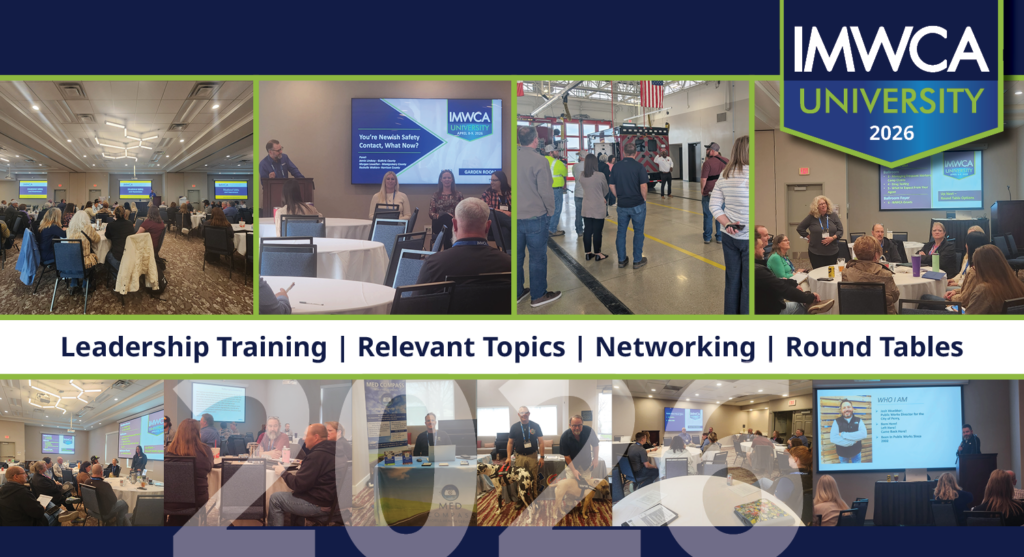
Thank you for joining us at IMWCA University!
Are Volunteers Covered?

IMWCA members often use volunteers to help with community projects. What would happen if a volunteer were injured while volunteering? Would they be covered by the workers’ compensation policy?
Since non-statutory volunteers are excluded from workers’ compensation coverage, IMWCA offers medical-only benefits for non-statutory volunteers.
Who is eligible for coverage?
Any person who qualifies as a non-statutory volunteer of an IMWCA member who does not receive remuneration and is not covered by the Iowa Workers’ Compensation Act is eligible for this coverage.
When is a volunteer covered?
A non-statutory volunteer is covered while participating in a volunteer activity sponsored by and under the direct supervision of the IMWCA member.
They are also covered for traveling directly to and from such activities, but do not include deviations from the activity.
Coverage Limits:
This coverage provides medical benefits only. Medical benefits paid under this coverage shall not exceed $25,000 per occurrence or extend beyond two years from the date of injury.
Premium:
$10 per volunteer per year with a minimum annual premium of $100. This coverage can be added at renewal or any time throughout the year.
Reporting:
Members are required to retain a copy of the signed form for each volunteer and have them available for the annual payroll audit.
Claims:
Claims should be submitted through Company Nurse, following the same process that employees use.
If you have any questions, please contact Andrew Justice, Underwriting Manager, at andrewjustice@iowaleague.org or 515-974-5341.
Mowing Season Safety
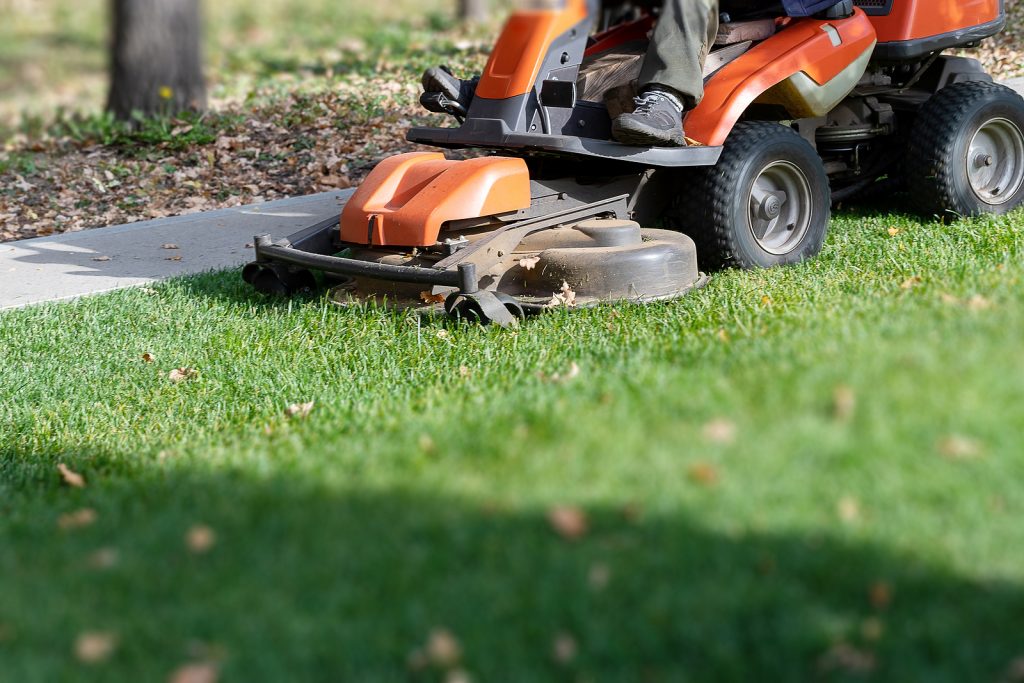
As mowing season approaches, we want to prioritize the safety of our employees, who are our most valuable asset. Please review the following safety guidelines to ensure a safe season:
- Training and PPE: All operators must be fully trained on their specific equipment. Always wear appropriate PPE, including eye and hearing protection, sturdy boots, and sun protection.
- Equipment Inspections: Before use, inspect mowers for fluid leaks or mechanical issues. Ensure all discharge guards are in place and that Roll-Over Protective Structures (ROPS) and seatbelts are used.
- Site Hazards: Inspect mowing areas to identify and remove hazards such as rocks, sticks, and fill holes. Be mindful of slippery surfaces and steep slopes.
- Projectile Safety: Take precautions to prevent mowers from throwing projectiles that could strike operators, bystanders, or property. Maintain a safe buffer zone at all times.
For training options, there is a 15-minute Mower Safety (SK44) in the online Learning platform. Thank you for your commitment to safety.

