December #1: Member Highlight, Space Heater Safety, 2027 Key Dates Calendar
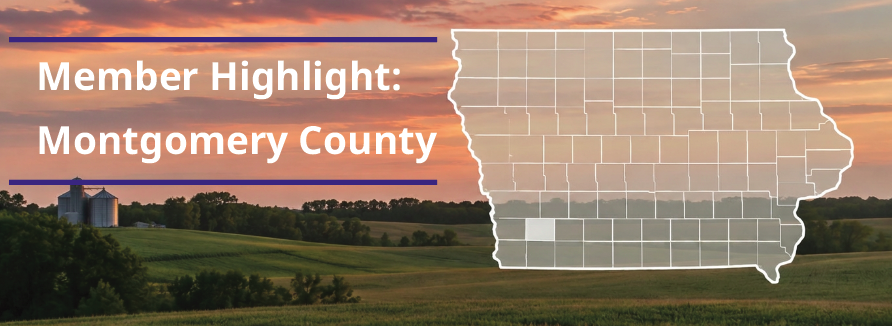
We asked Montgomery County Safety Coordinator, Morgan Lewellen, to share about the county’s workplace safety and the difference it has made in the county.
What is your county doing to provide a safe workplace?
Montgomery County is committed to providing a safe workplace by taking a proactive approach to employee safety and training. Rather than waiting for incidents to occur, we focus on prevention by giving employees the knowledge and resources they need to stay safe on the job. Through the free NEOGOV Learn program, we provide monthly trainings tailored to each department. This focus on safety education has directly contributed to a reduction in workplace claims and improved safety rates over the past three years. Involving department heads in selecting trainings and safety discussions also helps create accountability and keeps safety a shared priority across all county departments.
Who is involved in your safety meetings?
Montgomery County has a Safety Committee made up of department heads. We place a strong emphasis on participation from departments with higher-risk duties, such as county roads and the sheriff’s office. During these meetings, the committee has taken a deeper dive into understanding accident reporting procedures and the claims process. By learning more about how rates are determined and how IMWCA handles claims, we have gained a clearer understanding of how proper reporting and timely follow-up can make a difference. This approach has helped us identify and reduce unnecessary claims that were often the result of incomplete reporting or lack of communication.
What are your safety committee’s goals?
Now that we have strong buy-in from our department heads, the Safety Committee’s next goal is to begin inviting a few frontline employees to participate in some of our meetings along with the department heads. We want to hear directly from the individuals who are performing the day-to-day work and understand the safety concerns or challenges they may face with current protocols. By bringing their perspective to the table, we can have more productive conversations about what is working well and where improvements may be needed.
What words of wisdom do you have for other members of IMWCA to help them develop their safety culture?
For safety coordinators who are just beginning or struggling to get buy-in from department heads, my advice is to start small and stay consistent. Building a strong safety culture doesn’t happen overnight, but steady effort and clear expectations go a long way. Don’t be afraid to be firm about the importance of safety and the role leadership plays in setting that tone for their teams. One tool I highly recommend starting with is the NEOGOV Learn program. It allows you to easily assign short trainings to employees and begin creating regular touchpoints around safety. While the material may not always be new to employees, it serves as an important reminder of the safety practices that can sometimes be overlooked or the corners that may get cut during day-to-day work. Those reminders can help refocus attention on doing the job the right way and reinforce that safety is a priority for everyone.

2027 Key Dates Calendar
Stay on top of upcoming deadlines and events in 2027, by subscribing to IMWCA’s Key Dates Calendar. The calendar includes OSHA reporting deadlines, renewal and audit timelines, and relevant training.
Workplace Safety:
Space Heaters
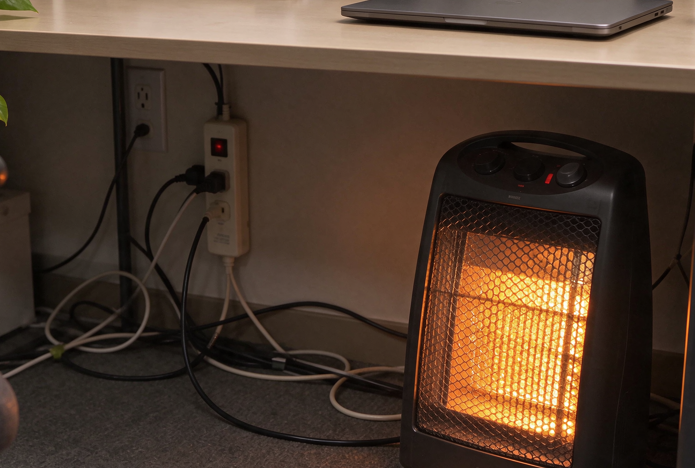
Space heaters and extension cords can provide comfort and convenience during colder months, but they also pose serious safety risks, including fire, electric shock, and trip hazards. To stay safe, use only certified heaters from recognized testing laboratories (UL, ETL, CSA), keep them at least three feet from combustible materials, and place them on stable, flat surfaces.
Never leave heaters unattended or plug them into extension cords or power strips. Extension cords should be used only temporarily and must not be overloaded. Avoid running cords under carpets or across doorways, and inspect them regularly for fraying, exposed wires, or other damage.
Report unsafe conditions promptly and follow workplace policies limiting personal heaters. Consider building heating solutions or additional outlets as safer alternatives. Safe use protects employees, prevents accidents, and keeps the workplace compliant.