


September #3: PTSD Among First Responders, Seatbelt Policy Changes, Claims 101 Webinar
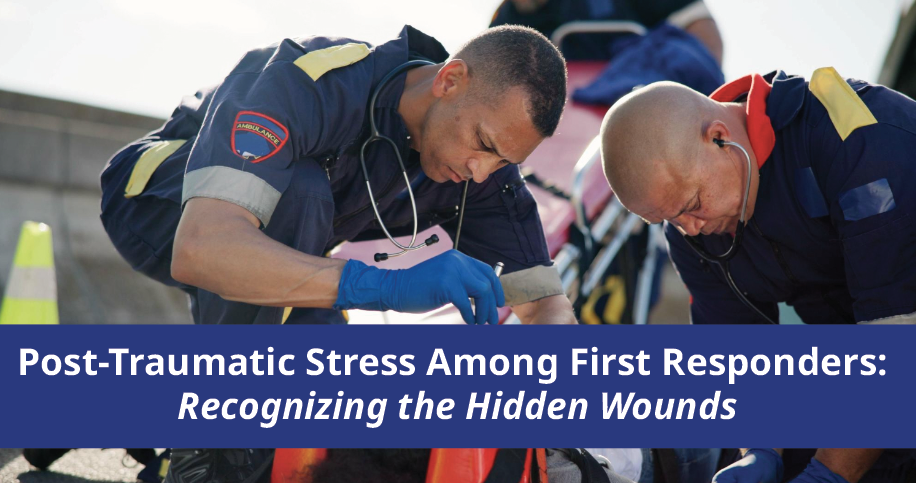
Police officers, firefighters, emergency medical personnel, and other emergency responders routinely witness traumatic events. While they are trained to protect others during crises, the psychological impact of repeated trauma exposure can leave lasting emotional scars. One of the most significant mental health challenges facing first responders is post-traumatic stress disorder (PTSD).
PTSD is a mental health condition that can develop after experiencing or witnessing a traumatic event. Symptoms may include intrusive memories, nightmares, emotional numbness, hypervigilance, anxiety, sleep disturbances, and difficulty concentrating. Left untreated, PTSD can negatively affect relationships, job performance, physical health, and overall quality of life.
Research consistently demonstrates that first responders experience PTSD at rates significantly higher than the general population. The National Institutes of Health published research highlighting a 2025 meta-analysis of 138 studies that found a PTSD prevalence of approximately 14.3% among active first responders exposed to routine occupational trauma, compared with a lifetime PTSD prevalence of roughly 6% in the general U.S. population.
Unlike many traumatic experiences that occur as isolated events, first responders often encounter trauma repeatedly throughout their careers. This cumulative exposure can increase vulnerability to PTSD and other stress-related disorders.
The effects of PTSD extend beyond emotional distress. Individuals struggling with PTSD may experience depression, substance misuse, relationship difficulties, absenteeism, and an increased risk of suicidal thoughts. The Centers for Disease Control and Prevention (CDC) highlights that responders exposed to traumatic incidents may experience cognitive, emotional, physical, and behavioral symptoms that can persist for weeks, months, or longer if left unaddressed.
Unfortunately, stigma within emergency service professions often prevents individuals from seeking help. Concerns about appearing weak, losing credibility, or facing career repercussions can discourage treatment, even when symptoms are severe.
Despite these challenges, PTSD is treatable. Evidence-based therapies such as Cognitive Processing Therapy (CPT), and Eye Movement Desensitization and Reprocessing (EMDR) have demonstrated effectiveness in reducing PTSD symptoms and helping individuals regain functioning. Early intervention is particularly important. Many departments and agencies are implementing peer support programs, critical incident stress management teams, employee assistance programs (EAPs), and resilience training to help responders process trauma before symptoms become chronic.
Organizations also play a vital role in fostering a culture that prioritizes mental health. Supervisors and leadership teams can encourage open conversations, promote mental health resources, and normalize seeking professional support. According to the National Center for PTSD, protective factors for first responders include strong social support, family connections, preparedness, effective coping strategies, and a sense of purpose. Building these protective factors can significantly reduce the long-term psychological impact of traumatic exposure.
First responders dedicate their careers to safeguarding the well-being of others, often at considerable personal cost. Recognizing PTSD as an occupational risk rather than a personal weakness is essential. By increasing awareness, reducing stigma, and expanding access to mental health resources, communities and organizations can better support those who serve on the front lines. The mental health of first responders deserves the same attention and care as their physical safety, ensuring they receive the support needed to continue their critical work while maintaining their own well-being.
Resources Available to IMWCA Members
The IMWCA recognizes the need for better mental health support for first responders. In 2020, the IMWCA partnered with Connections EAP to implement the First Responder Assistance Program (FRAP) – a FREE and CONFIDENTIAL service for over 12,000 first responders in Iowa. If your department is a member of the IMWCA, you are automatically eligible for this benefit.
Through this benefit, first responders, their spouse, and dependents have access to in-person or virtual services with licensed clinicians who have experience working with first responders.
First responders include employees and volunteers who are law enforcement officers, firefighters, ambulance personnel, 911 dispatchers, correctional officers, emergency management and members of search and rescue teams.
To access this resource, simply contact Connections EAP at 800-779-6125 or email info@connectionseap.com and let them know you are a member of the IMWCA. They will then connect you with a provider in your area.
Sources: [cdc.gov] [ptsd.va.gov]

IMWCA Updates Recommended Seatbelt Policy
IMWCA has strongly advocated for all members to adopt and enforce a seatbelt policy for employees and volunteers, including drivers and passengers in vehicles and equipment. Its revised recommended policy adds a narrow exemption for ambulance providers while they are providing emergency medical care during transport. Providers must wear a seatbelt when they are not providing that care.
Contact your IMWCA Safety and Risk Improvement Adviser with questions.
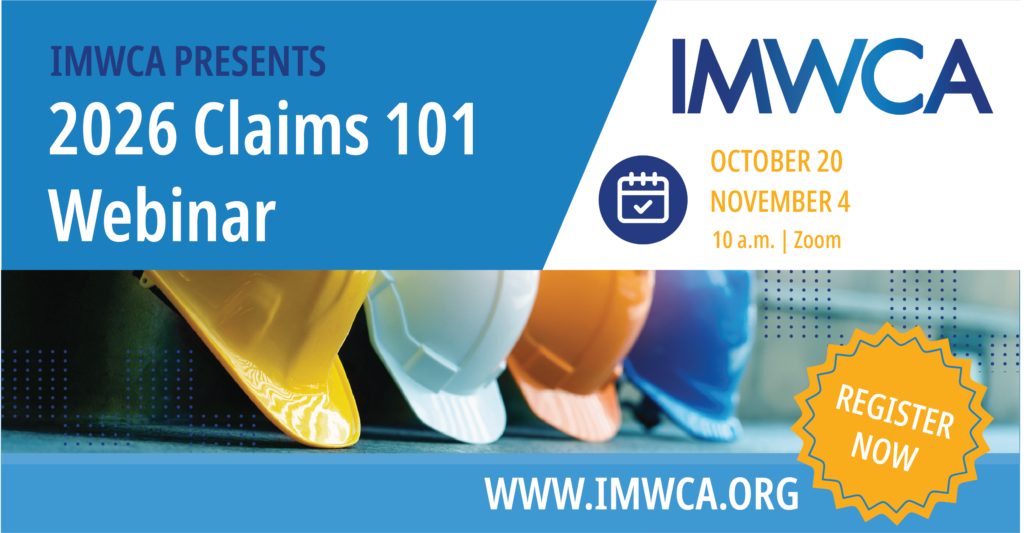
During the 2026 Claims 101 Webinar, we explore the workers’ compensation system, the employer’s role in the process, the importance of Company Nurse, and the investigation process as we share practical insights to ensure your employees get the care they need. Submit your questions ahead of time or ask during the webinar.
IMWCA Member Audits Available
Members with completed audits are able to access their electronic annual audit report and final audit premium schedule through the Member portal. IMWCA will continue to make the audit reports available online as we receive them from Information Providers Inc. An email will be sent to the primary IMWCA contact stating that the audit documents are now available. IMWCA members and agents will access the documents by using their individual sign-in.
Each member has 30 days in which to review the audit. The 30-day period begins on the day the member receives an email that their report is available online.
Audit invoices and refunds will still arrive via postal mail. If there are no audit documents available or you need to request changes, please contact Andrew Justice at andrewjustice@iowaleague.org or (800) 257-2708.

