


September #2: Workplace Safety Programs, Safe Driving in Work Zones and More
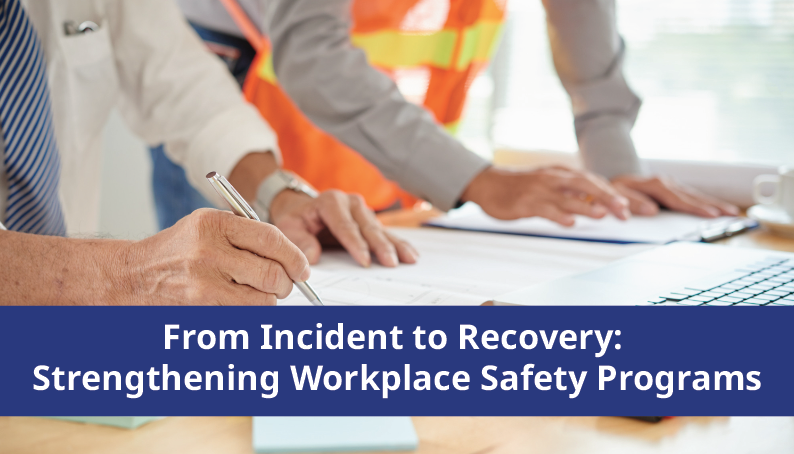
Workplace safety programs are often measured by their ability to prevent injuries, but true resilience requires preparation to quickly and effectively respond when the unexpected occurs. When incidents happen, how your organization reacts can shape recovery, outcomes, and business continuity.
For many organizations, injury prevention remains the cornerstone of workplace safety programs, but preparation should not end with mitigation. The strongest safety programs are built for what happens after an incident, not just the measures designed to avoid one. Effective safety management extends beyond the initial safeguards and includes an adaptable plan for communication, recovery, and workforce reintegration.
“Resiliency starts with proactive preparedness. When an incident happens, organizations should not be creating procedures in the moment,” said Beverly Covey, Senior Risk Control Manager at Safety National. “While the first priority is to take care of the injured employee, it is crucial to have an established process that helps guide decision-making and supports a coordinated response across the broader workforce.”
When it comes to workplace safety programs, prioritizing the following considerations can help strengthen an organization’s overall strategy:
1. Building Organizational Resilience
Workforce resilience reflects an organization’s collective ability to respond effectively and recover quickly from both expected and unexpected workplace situations. Fostering a resilient work environment requires employers to think beyond prevention planning. It also means accounting for operational continuity when disruptions occur.
Achieving a proper level of resilience requires proactive measures that support both employees and operations. A structured approach that establishes clear response procedures, communication protocols, and workforce support strategies can help empower organizations to navigate critical moments with greater confidence and consistency.
2. Planning Ahead for Workplace Injuries
A well-prepared organization does not wait until an incident occurs to determine the appropriate course of action. Instead, the goal is to create a consistent and structured framework that supports timely and informed decision-making in times of uncertainty.
Effective incident response starts with careful planning, upfront coordination, and clearly defined responsibilities. Advance preparation can help minimize any impact to employees, operations, property, and equipment. Establishing communication trees, identifying key emergency contacts, and initiating reporting procedures are critical steps to ensure the organization is well equipped in the event of a workplace injury.
3. Responding After an Incident Occurs
When a workplace injury happens, caring for the affected employee should take immediate precedence. During the first few moments after an incident, employers must respond swiftly to determine whether the situation requires first aid, medical treatment, or emergency response services. Once the most pressing needs have been addressed, organizations can shift their focus toward documentation, reporting requirements, and corrective actions.
Following the initial treatment and assessment, pre-established procedures can help guide the decisions that follow. The sooner the appropriate administrative steps are taken, the more effectively employers can manage the resulting impacts. A prompt and coordinated effort can help minimize disruption while supporting favorable claims and recovery outcomes.
4. Using Modified Duty Effectively
If the injured worker is physically able, a modified duty program (MDP) is a standardized way for an injured or ill employee to return to work safely while recovering. This transitional work arrangement plays an important role in helping individuals with temporary restrictions remain connected to the workplace. An MDP is designed to provide meaningful work through light-duty assignments that support a safe and gradual path back to full work capacity.
The strength of an MDP often depends on the groundwork established beforehand. To maximize the benefits of modified duties, organizations must intentionally identify transitional work opportunities before injuries occur. A formal process is vital for communicating available options while ensuring alignment among employees, supervisors, HR, and safety personnel. With clear expectations in place, recovery can progress more efficiently, enabling a smoother return to work.
Originally published in Safety National’s Carrier Chronicles
Online Training Resources
IMWCA offers a variety of online training opportunities to help members build and maintain a strong safety culture. From quick training videos and virtual round tables to the LEARN online training platform, members can access practical safety information and training when it works best for them. These resources cover a wide range of workplace safety topics and provide flexible options for both employees and supervisors.
Safe Driving Tips for Work Zones

While we often associate summer with road construction, the reality is that the road construction season now extends into the fall and even early winter. It is important to keep in mind the following when entering work zones. Slowing down, eliminating distractions, and maintaining a buffer zone are the most critical defensive strategies for safely navigating a construction zone.
The Iowa Department of Transportation notes that the state experiences hundreds of work zone crashes annually, primarily due to speeding and inattention. By implementing specific behind-the-wheel strategies ensures the safety of both drivers and highway crew members.
Prioritize Your Speed and Space:
- Obey posted work-zone speed limits: Reduce your speed immediately upon entering a work zone, as fines are at least doubled for moving violations.
- Maintain extra following distance: Leave a buffer of at least several seconds between you and the leading vehicle to prevent rear-end collisions, which are the most common work zone crashes.
- Watch for workers and equipment: Give the road-crews, barriers, and heavy machinery maximum space.
Focus and Navigate Intentionally:
- Eliminate internal distractions: Put down cellphones, comply with hands-free laws, and avoid adjusting the radio, navigation systems, or eating while in the work zone.
- Merge as early as possible: Move into the open lane as soon as you see advance warning signs rather than waiting until the lane terminates.
- Allow others to merge: To keep traffic flowing and to reduce the possibility of vehicle crashes and road rage incidents, allow other vehicles to merge into your lane of traffic.
- Follow flaggers and signs: Treat a road-crew flagger’s directions with the same authority as a regulatory traffic sign.
Plan and Prepare Ahead:
- Check live road conditions: Look at the official Iowa 511 Travel Information website or mobile app before your trip to locate active construction zones.
- Expect the unexpected: Be ready for sudden stops, lane shifts, or uneven pavement.
- Stay patient and calm: Allow extra travel time to avoid rushing or aggressive driving maneuvers.
Sources:

A majority of IMWCA staff will be out of the office attending the Iowa League of Cities Annual Conference & Exhibit September 23–25.
If you’re attending, be sure to stop by the IMWCA booth and say hello! You can also attend Wednesday afternoon’s Leadership Seminar, led by our very own Suzanne Kashawlic, and join us Thursday morning for the IMWCA-sponsored Wellness Walk.
We look forward to seeing many of our IMWCA members in Bettendorf!
Join the Team: IMWCA is Hiring

IMWCA is hiring a Safety and Risk Improvement Adviser who provides professional consulting services in safety and risk improvement to local governments. Under the direction of the Safety and Risk Improvement Manager, this position is responsible for conducting on-site visits with IMWCA members, advising municipal officials on safety programs, analyzing loss exposures, and assisting in the development and implementation of risk improvement strategies. Additionally, the adviser investigates and analyzes workplace incidents to identify trends and recommend corrective actions.

