


August #2: Managing Age-Related Risks, Summer Driving Hazards, Seasonal Employees
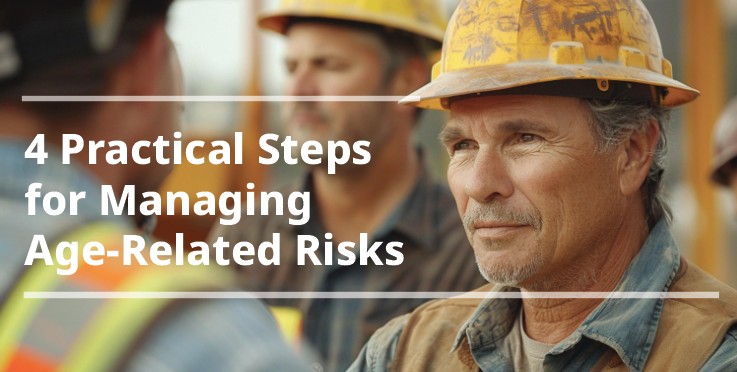
With more workers aged 55 and older staying in the workforce, organizations are not getting younger. We review strategies to help organizations proactively reduce exposure and manage the severity associated with an aging workforce.
The median age of the U.S. workforce has steadily risen, driven primarily by aging baby boomers and employees remaining in the workforce longer. Workers aged 55 and older have represented the fastest-growing age group in the labor force for more than two decades. While each generation has its own unique risks, this group carries increased risks of musculoskeletal injuries, slower recovery times, and higher fatality rates. However, by concentrating on controllable risk factors, organizations can build a more adaptable and resilient workplace safety strategy.
“Risk managers can benefit from spending time in the field and on the floor monitoring the workforce across different roles. What may appear manageable on paper could look very different in practice,” said Matt McDonough, Assistant Vice President – Risk Control at Safety National. “A firsthand observation can help build a clearer understanding of the physical demands that come with each job function. Pairing direct observation with data, though, can paint a more complete picture.”
Early identification of aging-related risks also requires careful analysis of loss trends. For risk managers, the main goal is to help mitigate injury risks across the organization, but analyzing trends by demographic can help pinpoint where certain exposures are most prevalent. When examining loss-run reports, reviewing claims by age group and occupation helps reveal severity patterns among key segments of the employee base.
While managing aging-related risks is an ongoing challenge, proactive prevention can help make a meaningful difference. Here are four key actions to consider:
1. Prioritize early intervention.
Prompt injury reporting, timely medical attention, and early claims management can help keep issues from escalating into more severe outcomes. The sooner action is taken following an injury, the better the chances of limiting its long-term impact.
2. Implement a structured return-to-work program.
Upon medical sign-off, a gradual, well-coordinated return-to-work plan can help ensure a safe transition back to work. Jumping into a previous routine can re-aggravate injuries, so a tailored plan aligned with medical restrictions is critical. Maintaining a job bank with a variety of diverse tasks provides a conducive way to ease employees back into their roles.
3. Foster strong employer–employee relationships.
Empathy and communication can go a long way in the workplace. When employees are recovering from an injury, it is crucial to maintain consistent contact and appropriate oversight. When individuals feel supported, they are more likely to report concerns early, adhere to medical guidance, and stay engaged throughout the recovery process.
4. Invest in ergonomic improvements.
An ergonomic-friendly environment can make a significant difference for employees across all age groups. Thoughtful ergonomic designs can help to reduce physical strain at its source. When applicable, involve an ergonomist to evaluate job tasks and recommend practical adjustments tailored to specific roles. Conducting regular ergonomic assessments can help uncover hidden risk exposures, supporting safer, more sustainable job functions.
Originally published in Safety National’s Carrier Chronicles
Join the Team:
IMWCA is Hiring
IMWCA is hiring a Safety and Risk Improvement Adviser who provides professional consulting services in safety and risk improvement to local governments. Under the direction of the Safety and Risk Improvement Manager, this position is responsible for conducting on-site visits with IMWCA members, advising municipal officials on safety programs, analyzing loss exposures, and assisting in the development and implementation of risk improvement strategies. Additionally, the adviser investigates and analyzes workplace incidents to identify trends and recommend corrective actions.
Summer Driving Hazards

Iowa drivers face peak seasonal traffic fatalities and risks during the summer “100 deadliest days,” spanning from Memorial Day to Labor Day. The top five summer driving hazards include heavy road construction, young and inexperienced drivers on break, increased numbers of vulnerable road users, volatile severe weather, and high heat, which can strain vehicles.
Road Construction and Work Zones:
- Peak period for highway repairs and orange barrels across Iowa.
- Narrowed lanes, sudden slowdowns, and detours.
- Doubled fines for moving violations in active Iowa work zones. Inexperienced teen drivers
- High school break puts more teens on the road during daytime and late hours.
- Lack of driving experience raises accident rates.
- Identified by the Iowa State Patrol as a major factor in the “100 deadliest days”.
Motorcycles, Bicycles, and Pedestrians:
- Warmer weather brings more people walking, running, and cycling outside.
- Higher volume of motorcycles sharing highways and rural roads.
- Smaller profiles make them harder to spot in blind spots.
Severe Summer Storms and Hydroplaning:
- Sudden cloudbursts, severe thunderstorms, and high winds reduce visibility fast.
- Standing water on pavement causes dangerous hydroplaning.
- Slick roads catch drivers off guard after dry spells leave oil residue on asphalt.
Extreme Heat and Vehicle Stress:
- High temperatures push car cooling systems to failure, leading to engine overheating.
- Hot asphalt expands air pressure in tires, increasing the risk of blowouts.
- High cabin and outdoor heat can cause driver fatigue and diminished reaction times.
School Buses:
Don’t forget that schools start back up in August. Look for buses and students getting on and off of them. It is STATE LAW that drivers MUST STOP for school buses when their red warning lights are flashing.
Sources:
Best Practice: Terminate Seasonal Employees
at Season End

Check out Seasonal Employees: Best Practices for Onboarding and Offboarding Virtual Round Table recording.
Consider these best practices for managing your seasonal employees:
- Clearly and properly define the period of time a seasonal employee may work and ensure they understand the end date of the season at the time of hire.
- Have employees acknowledge in writing the understanding that their employment is “at-will” and for a limited duration.
- Provide written notice that the employment has ended once the end date of the season arrives – this can be as simple as a note on their last pay stub.
- Remind employees that they can apply the next year or at the beginning of the next season.
These best practices can help to ensure:
- The employee will not have an expectation of an automatic job when the next season begins.
- You will not be required to provide notice if you decide not to bring the employee back in the next season.
- There is no expectation of any benefits during the off-season.
- An employee cannot claim continuous employment or an implied contract.
- In the event an employee suffers an on-the-job injury, if you are regularly removing all seasonal employees from your payroll system at season end, that employee will not be entitled to indemnity payments once the season ends.
Training Opportunities:

Supervisor Training
August 26 – Treynor | September 2 – Ankeny
Handling employee performance and conduct issues can be daunting, uncomfortable, and confusing. IMWCA’s Supervisor Training Course provides new and experienced supervisors with tools and tips for managing inadequate performance and misconduct early on, when correction is easier.
Company Nurse Update for Members
Discover what’s new with Company Nurse powered by Lintelio. This webinar highlights enhanced communication features, physician consultation services, new member phone numbers, and fiscal year 2025-26 performance metrics, including call statistics and utilization data. Learn how these updates can help improve injury reporting, provide timely medical guidance, and create a better experience for both employees and supervisors.

