May #1: Distracted Driving, Claims Tips & Training Dates
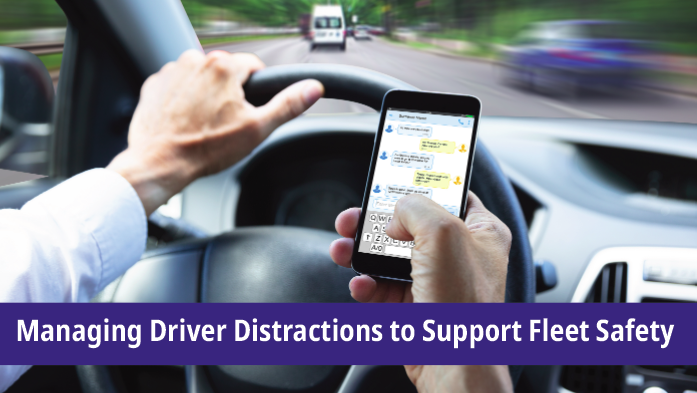
Fleet safety is under growing scrutiny with increasing litigation risks. Learn how anticipating, compensating for, and eliminating distractions can help drivers stay focused, reduce crashes, and strengthen fleet safety programs.
Addressing distracted driving in safety programs is essential for fleets that currently face a challenging risk management environment. Not only do employers need to keep their drivers safe from a growing number of distractions, but they also continue to encounter increased pressures amid rising litigation rates.
According to the National Highway and Traffic Safety Administration (NHTSA), distracted driving was responsible for taking 3,275 lives in 2023. Texting remains one of the most alarming distractions, diverting drivers’ attention from the road for an average of five seconds. The NHTSA notes that, comparably, five seconds of inattention to the road at 55 miles per hour is the equivalent of driving the length of an entire football field with your eyes closed.
“Drivers attempting to juggle multiple distractions at once, specifically with cell phones, are at a much greater risk of crashing,” said Michael Sullivan, Risk Control Manager at Safety National. “Good drivers focus on driving, eliminate the distractions they can control, and compensate for the unavoidable distractions.”
These three steps can help drivers better prepare for the road ahead.
1. Anticipate
Before drivers enter a vehicle, they should ask themselves, “What could pull my attention away from the road?” Maybe they are in an unfamiliar area, or they know the morning commute is particularly stressful. While there are a multitude of situations that can cause distractions, some of the most common include:
- Cell phones, including texting, calls, and checking notifications
- Reaching for objects
- Drowsy driving, causing slowed reaction time and poor focus
- Looking at crashes, construction, and police stops
- Eating or drinking
2. Compensate
Some distractions cannot be fully eliminated. In these situations, drivers can adjust how they drive to reduce risk. This may include:
- Allowing extra time by adjusting speed and increasing following distance space
- Scheduling glances, keeping eyes off the road for no more than two seconds (four out of every six seconds are needed to focus on the road ahead)
- Staying calm and in control of the vehicle
3. Eliminate
When possible, a driver should eliminate distractions until they can give something their full attention. Removing distractions can help create the safest environment possible. Strategies include:
- Checking maps and program navigation before leaving
- Securing items in the car that may slide or move
- Avoiding bad weather conditions and heavy traffic
- Turning off or silencing cell phones, if possible
- Eating before leaving
- Getting good sleep to prevent drowsy driving
- Avoiding substances or influences that impair judgment and awareness
- Preparing mentally to help stay calm in stressful situations
Recognizing and Addressing Drowsy Driving
Drivers should also be trained to recognize when distraction becomes a safety concern, particularly with drowsy driving. Warning signs include involuntary eye closure, inattention, frequent yawning, fatigue, and difficulty maintaining lane position.
Organizations should provide supportive guidance for addressing drowsy driving without fear of disciplinary action. While a proper rest break can help in the moment, long-term solutions may require scheduling or route adjustments.
Originally published in Safety National’s Carrier Chronicles
Supervisor Training
Handling employee performance and conduct issues can be daunting, uncomfortable, and confusing. IMWCA’s Supervisor Training Course provides new and experienced supervisors with tools and tips for managing inadequate performance and misconduct early on, when correction is easier.

Dates and Locations
- June 10 | Henry County EMA Training Room
- July 8 | Oelwein Library
- July 15 | Carroll Library
- July 22| Clinton County Admin Building
- August 12 | Clear Lake Wellness Center
- August 26 | Treynor Community Center
2026-2027 Renewal Documents
In the coming days, you will receive an email notification announcing that your annual membership renewal documents have been uploaded to the member portal.
To access these electronic documents, please log in to the portal on the IMWCA website at imwca.org. Please note that while the renewal documents are available online, your premium invoices will continue to be delivered via postal mail.
If you require any assistance with your username or password for the member portal, please do not hesitate to contact us at imwcamemberaccess@iowaleague.org.
Navigating the Claims Process: A Partnership for Recovery

When a workplace injury occurs, the goal is always the same: getting your employee the care they need and returning them to health as safely and quickly as possible. IMWCA works closely with you, your injured worker, and your designated medical provider to manage this process, but clear communication is the “secret sauce” to a successful outcome.
Employee Responsibilities
Recovery is an active process. It is important to remind employees that they are responsible for:
- Prompt Attendance: Showing up on time for all scheduled medical appointments.
- Consistent Communication: Keeping both you and your IMWCA Claims Examiner updated on their progress.
- Immediate Reporting: Returning their new work status report to you immediately following an appointment (ideally the same day).
The Employer’s Role: Preventing “Off-Work” Status
To avoid unnecessary time away from the job, employers should be proactive during the initial medical visit. We recommend providing the injured employee with two key items to take to their provider:
- A current job description.
- A clear statement noting that your organization participates in light and modified duty and requests that restrictions be written accordingly.
This simple step provides the physician with the context they need to authorize modified work rather than simply designating the employee as “off-work.”
Directing Care in Iowa
Did you know that Iowa is one of only seven states where the employer directs care? This gives you the right to request information directly from the provider regarding the claim. While IMWCA staff is always happy to share information, provider communications can sometimes be delayed. Taking an active role in requesting updates ensures you can prepare modified duties and update work agreements the moment an employee is cleared for them.
The Bottom Line: When employees are active participants in their own treatment and recovery, it creates the best-case scenario for everyone involved.