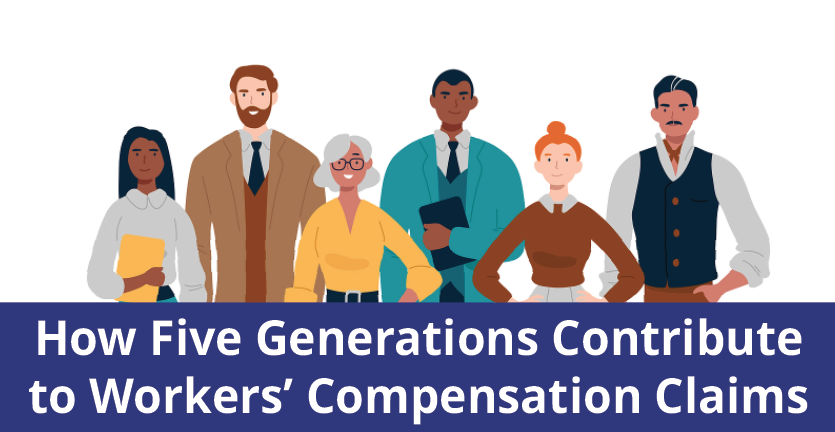
An aging workforce and shifting generational dynamics are reshaping workplace injuries and claims costs. From Generation Z to Traditionalists, each group brings unique challenges and risks to today’s workforce.
With five distinct generations now represented in the workforce, employers are navigating a complex landscape of varying expectations, work habits, and injury risks. Each generation brings its own strengths and vulnerabilities, which can impact workplace safety and the cost of workers’ compensation claims. Understanding these generational differences is essential for proactive risk management and effective claims mitigation strategies.
“In the last few years, there have been an increasing number of severe workers’ compensation claims that exceed cost per claim averages,” said Ariel Jenkins, Assistant Vice President of Risk Control at Safety National. “Within the last 10 years, the workforce has been gradually aging to the point where we are in a new normal of the proportion of aged workers. Injury rates among workers aged 50 and older are rising due to natural degeneration and overworked employees caused by staff shortages in certain industries.”
Below, we review each generation’s workforce makeup, injury trends, and impact on claims costs.
Generational Workforce Composition
Today’s workforce is more generationally diverse than ever before, spanning a range of ages and experiences. Here’s a breakdown of the key groups:
- Silent Generation (Traditionalists): Aged 80 or older, this group makes up just 1% of the workforce. Many remain employed due to financial necessity or to maintain their social structure.
- Baby Boomers: Comprising 15% of the workforce, Baby Boomers (aged 61–79) often hold leadership roles. It is crucial that they are trained in generational dynamics to support hiring, retention, and safety initiatives.
- Generation X: Representing about 30% of the workforce, these employees (aged 45–60) built much of their careers before the digital revolution, fostering adaptability and self-reliance.
- Millennials: At 36%, Millennials (aged 29–44) are the largest group in the workforce. They are known for being tech-savvy, achievement-oriented, and values-driven. They often prioritize work-life balance, career development, and social responsibility.
- Generation Z: The youngest generation in the workforce (aged 13–28), Gen Z comprises 18%. They are highly influenced by technology, seek personalized and creative roles, and change jobs at a rate 134% higher than they did in 2019.
Injury Trends by Age
The proportion of older workers has steadily increased over the past five years, with those aged 65 and older delaying retirement or remaining in the workforce indefinitely. This shift has brought about a rise in injury rates among older employees, especially due to falls. Workers aged 70 and above are most affected, followed closely by those aged 50–69. For workers in their 60s, falls are the leading cause of injury.
Younger employees under 30 are more likely to suffer cuts, punctures, and object-related injuries. They also experience more motor vehicle accidents. Workers aged 30–49 tend to suffer from strains, accounting for 39–41% of claims costs in this group. Notably, motor vehicle accidents are the costliest type of claim for this age group.
Common Injuries with Costly Workers’ Compensation Claims
Although workers over 40 typically experience fewer injuries, the ones they do sustain are often more serious and expensive. Comorbidities and the natural wear and tear of aging bodies contribute to longer recovery times and higher claim costs. Workers aged 65 and older are also more likely to experience fatal on-the-job injuries.
A review of Safety National’s claims data (including self-insureds) reveals the most frequent and costly injury types by age group:
- Struck or Injured By: Injuries caused by falling objects, machinery, tools, vehicles, and poor safety practices are most common among workers aged 50–59.
- Slips, Trips, and Falls: Older age increases the risk of falls due to slower reflexes, impaired balance, and decreased depth perception. The 60–69 age group experiences the highest claim costs in this category.
- Body Mechanic Strains: Strains from lifting or repetitive motion are more severe after age 40. Employees aged 50–59 are especially vulnerable.
With five generations in today’s workforce, employers can turn generational diversity into a strength by aligning safety strategies with each age group’s unique risks and needs. Tailored interventions, such as fall prevention for older workers, ergonomic training for younger employees, and cross-generational mentorship, can reduce injury frequency and claims severity. By combining data-driven insights with people-focused solutions, organizations can better manage rising claims costs while fostering a safer, more resilient workplace for all.
Originally published in Safety National’s Carrier Chronicles

Upcoming Virtual Round Table
Gain insights and share ideas in our quarterly virtual round tables. Each session features a short presentation followed by an open discussion. Submit your questions in advance to ensure a customized experience.
- February 10, 9:30 a.m. – The Burning Questions on Lithium Batteries
- Perfect for monthly safety meetings. All sessions are recorded.
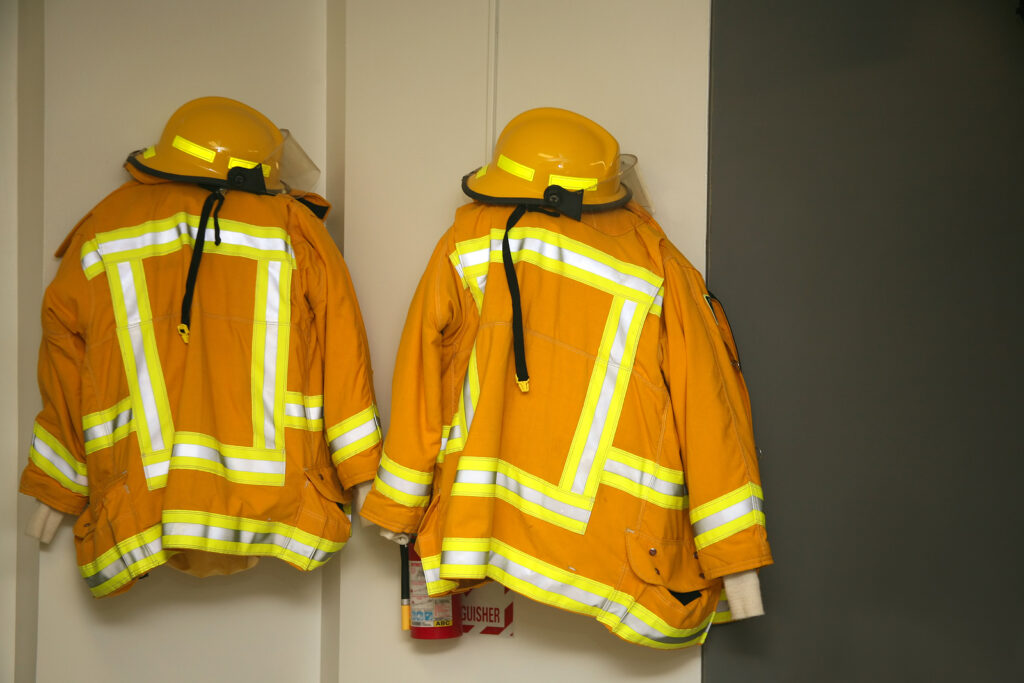
Firefighter Criteria Changes
We have recently changed our yearly compliance requirements for fire departments. Be sure to check out the 2026 Firefighter Criteria Webinar recording to learn more.

IMWCA University
Mark your calendar for IMWCA University, April 8-9, in Johnston. Training and networking designed for local government employees will include topics on safety programs, human resources, round table discussions and more.