April #1: Stress Awareness Month – Signs, Tips & Simple Ways to Feel Better
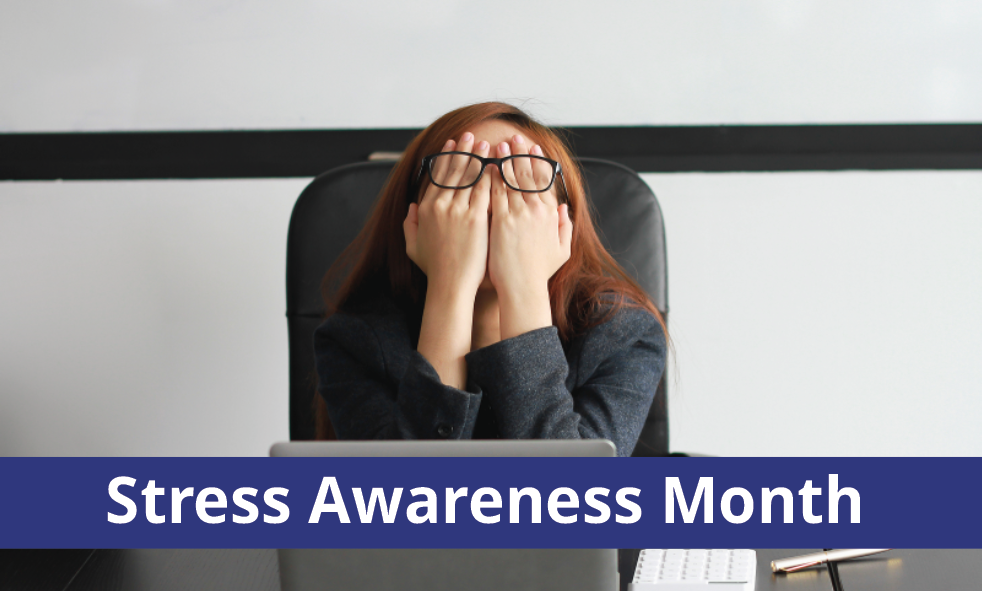
April is Stress Awareness Month, a critical time for local government employees to pause and reflect on their mental well-being. Working in the public sector brings unique challenges, from managing administrative workloads to directly serving the public, which can lead to high levels of pressure if left unaddressed.
Recognizing the Signs of Workplace Stress
Stress often presents itself through physical, emotional, and behavioral changes. Early recognition is key to preventing long-term burnout.
- Physical Symptoms: Be mindful of frequent headaches, muscle tension, persistent fatigue, and difficulty sleeping (insomnia).
- Emotional & Psychological Indicators: Watch for increased irritability, anxiety, or feeling overwhelmed by everyday tasks. You may also notice a lack of motivation or difficulty concentrating on complex projects.
- Behavioral Red Flags: Changes in work habits — such as becoming withdrawn from colleagues, missing deadlines, or a sudden drop in work quality — are often indicators of underlying stress.
Why Local Government is Unique
Public sector employees often face “mission-driven” stress. Common triggers in this field include:
- Public Interaction: Dealing with demanding citizens or confrontational situations.
- Resource Constraints: Staff shortages and the pressure to “do more with less.”
- Secondary Trauma: For those in social services or public safety, hearing about others’ traumatic experiences can take an emotional toll.
Steps You Can Take Today
- Conduct a “Stress Audit”: Identify what caused the most stress this week and determine if anything can be delegated or adjusted for next week.
- Set Clear Boundaries: Try to disconnect from work outside of scheduled hours to allow your mind to recharge.
- Practice “Micro-Breaks”: Taking short, frequent walks or practicing deep breathing during the day can help regulate stress levels in the moment.
Remember: Asking for help is not a sign of weakness; it is a proactive step toward maintaining your long-term health and resilience
There is Still Time to Register for
IMWCA University
We look forward to seeing you April 8-9 at IMWCA University. Bring your questions and ideas. There is still time to register at www.imwca.org.
Get Moving: Small Steps for Big Mental and Physical Wins
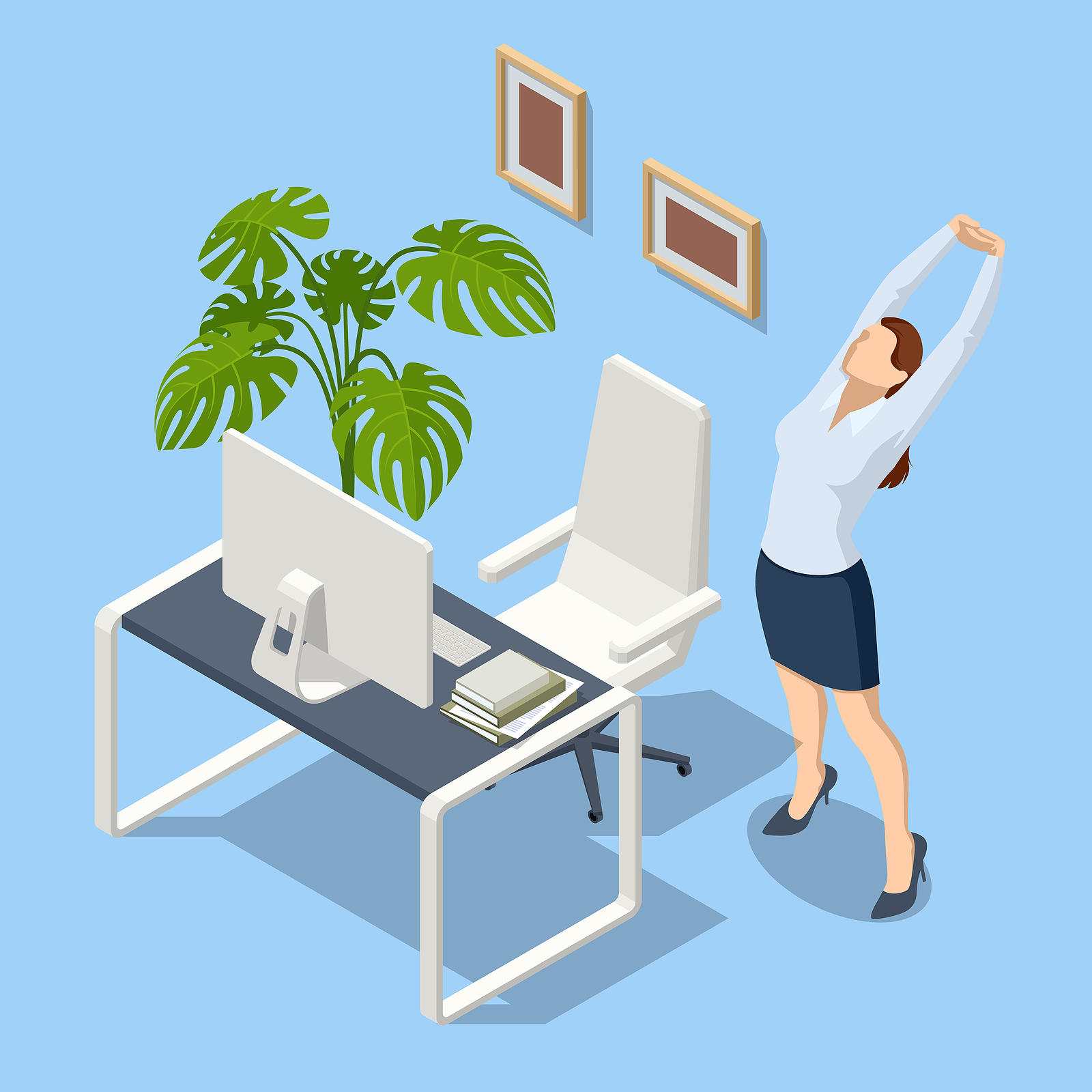
This Stress Awareness Month, we’re highlighting one of the most effective — and accessible — tools for managing workplace pressure: movement.
Whether you’re behind a desk, in a vehicle, or out in the field, finding ways to stay active can transform your workday.
The Power of Movement
Physical activity isn’t just about fitness; it’s a natural stress reliever. Even short bursts of movement can:
- Lower Cortisol: Exercise reduces the body’s stress hormones while stimulating “feel-good” endorphins.
- Clear Mental Fog: Moving increases blood flow to the brain, helping you stay sharp during long meetings or complex tasks.
- Boost Resilience: Regular activity improves sleep quality and energy levels, making it easier to handle the unique challenges of public service.
How to “Sneak” Movement into Your Shift
You don’t need an hour at the gym to see results. Try these “micro-moves” throughout your day:
- The “10-Minute Reset”: Take a brisk walk during your break. A change of scenery — especially outdoors — can reset your nervous system.
- Active Meetings: If you’re discussing a project with one or two colleagues, try a “walking meeting” instead of sitting in a conference room.
- Desk Stretches: Incorporate shoulder rolls, neck tilts, or standing calf raises while checking emails or taking calls.
- Park and Walk: If you commute, park at the far end of the lot or take the stairs instead of the elevator to get your heart rate up early.
Building a Sustainable Habit
The best exercise is the one you actually enjoy. Whether it’s a weekend hike, a quick yoga flow, or a bike ride, consistency is more important than intensity.
Pro-Tip: Use your internal wellness portals to find local gym discounts, step challenges, or guided meditation and movement videos.
Your health is your most valuable asset. By moving a little more today, you’re investing in a more focused, energized, and resilient version of yourself for tomorrow.
If you are looking for some guidance to challenge yourself to move more, try this one month guideline:
The 30-Day “Keep It Moving” Challenge
Challenge your department to complete one small activity each day. Use this calendar to track your progress and see how many you can check off!
| Week | Monday | Tuesday | Wednesday | Thursday | Friday |
| 1 | Take the stairs today | Park at the back of the lot | Do 10 desk squats | Take a 10-min lunch walk | Stand for one meeting |
| 2 | 5 shoulder shrugs every hour | Walk to a colleague’s desk | Do 15 seated calf raises | Try a 5-min wall sit | Use a basket at the store |
| 3 | Take a “walking meeting” | 10 desk-inclined push-ups | Do 5 deep breaths & stretch | Walk while on a phone call | Take the long way to the breakroom |
| 4 | Try a new form of exercise | Do 20 jumping jacks | 15-min nature walk | Practice 3 desk stretches | Walk for 30 mins total |
If you’re a desk worker, see these helpful tips to get in a quick stretch every hour:
Quick Desk Stretches for Any Workspace
You don’t even have to leave your chair to release tension. Try these four simple moves whenever you feel stiff:
- Shoulder Shrugs: Lift your shoulders toward your ears as hard as you can. Hold for 2 seconds, then roll them back and down as you relax. Repeat 10 times to boost blood flow to the neck and upper back.
- Seated Figure-Four: While sitting, cross your right ankle over your left knee. Keeping your back straight, lean forward slightly from your hips until you feel a stretch in your glute and hip. Hold for 15–30 seconds and switch sides.
- Triceps Reach: Reach your right arm overhead and bend the elbow so your hand touches the opposite shoulder blade. Use your left hand to gently pull the elbow toward your head. Hold for 15 seconds to open the chest and arms.
- Torso Twist: Sit tall with feet flat. Gently rotate your upper body to the right, using your chair’s armrest or seat for leverage. Hold for 15 seconds to relieve lower back tightness, then repeat on the left.
Note: Always stay within a pain-free range of motion. If you have existing injuries, consult with a medical professional or your agency’s occupational health representative before starting a new routine.